LATEST JOURNAL
On local hardwoods, what they do that other materials don't and why material choice is a design decision.
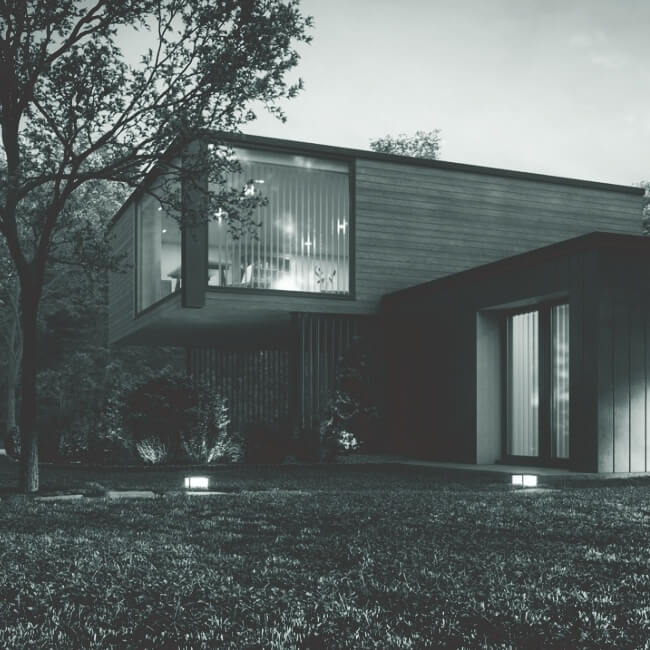
One of the earliest design decisions I make on any project is material. Not late in the process, not at the detailing stage; early, when the building is still finding its form and everything is still possible. Because material isn't just how a building is put together. It's a large part of what a building is.
In the New England context, that conversation almost always involves timber. And it almost always involves a case for local species; the
ones that grew here, that belong to this landscape, and that perform better in this area than most of what comes through standard
supply chains.
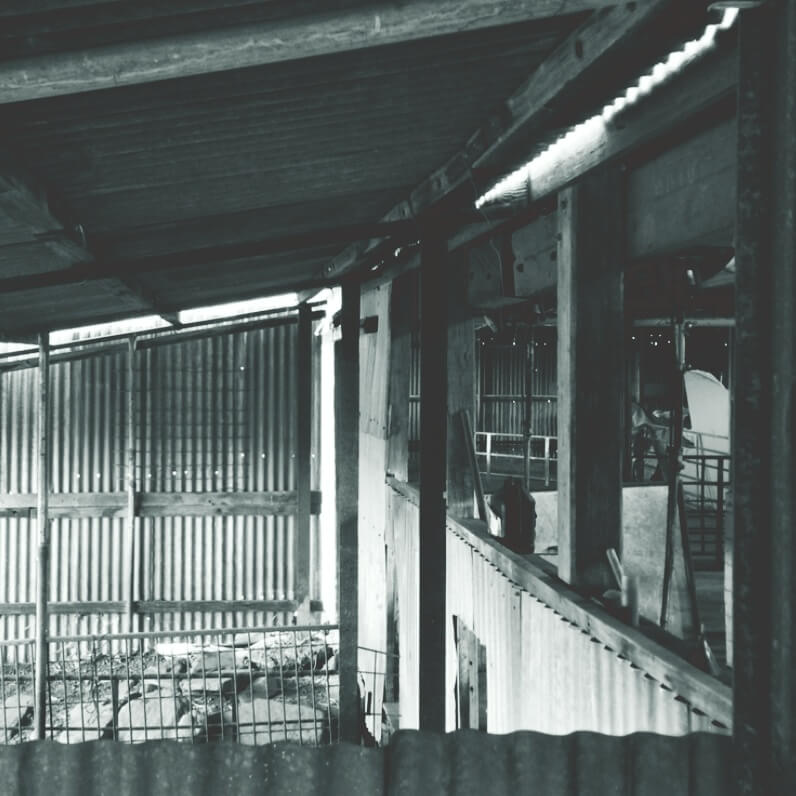
The New England region sits on some of the best hardwood country in New South Wales. Local species- stringybark, yellow box,
ironbark and blackbutt, are dense, highly durable, and genuinely strong. Many meet the BAL ratings required for building in bushfire-prone
areas, which most of this region is (outside of town limits). They age well in this climate. They are, in purely practical terms,
well-suited to exactly the conditions they'll be asked to perform in.
And yet local species are frequently passed over in favour of whatever is cheaper and more readily available through standard supply chains. The result is buildings in one of Australia's most distinctive landscapes using materials that have no connection to it; generic products that could have been specified anywhere, for any site, by anyone.
Material isn't just how a building is put together. It's a large part of what a building is.
The performance argument for local hardwoods is solid. But it's the design argument that interests me most.
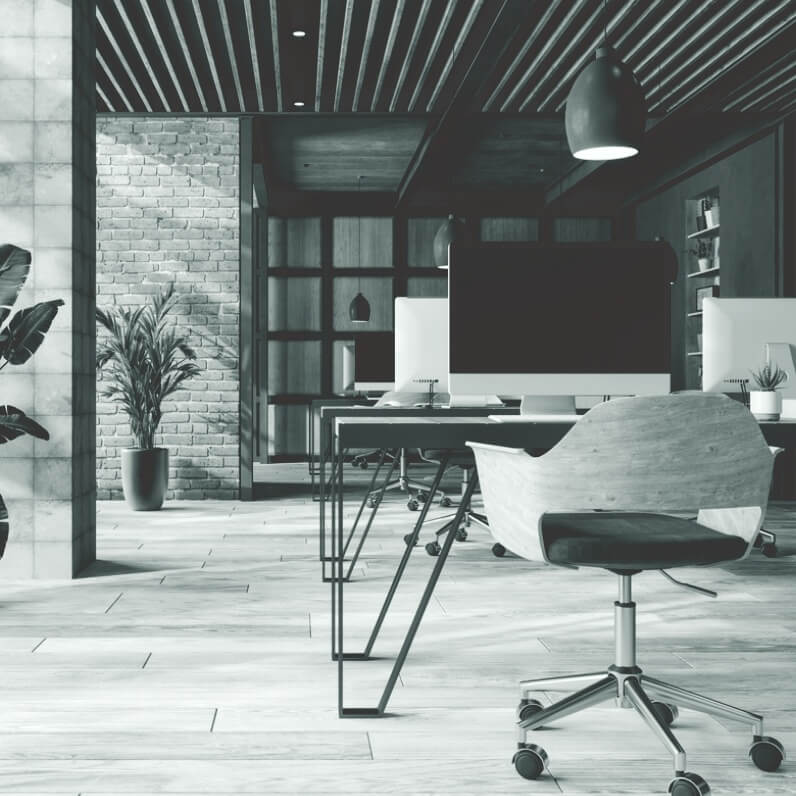
Timber does something to a space that is genuinely difficult to replicate. A warmth, not just thermal, though that matters too in a climate
like this one, but a visual and tactile quality that changes how a room feels to be in. Timber has grain, variation, history. It came from
somewhere specific. A building that uses materials from here reads differently than one that doesn't. It has a relationship with its place
that goes beyond the aesthetic.
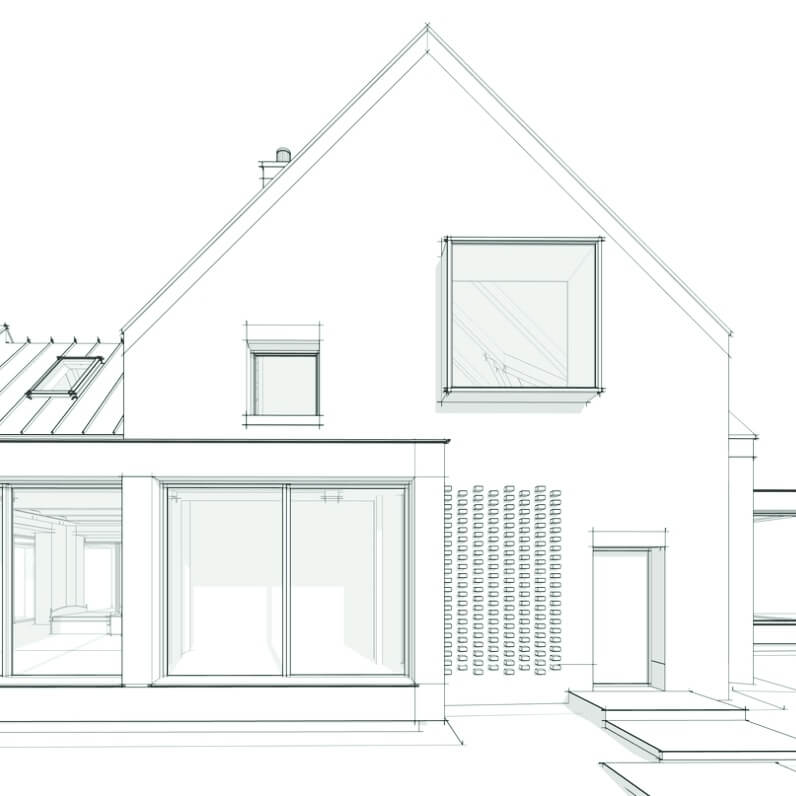
What we bring to projects is a deliberate approach to material from the outset. Timber, where it's appropriate, is considered as a
design generator, not a finish applied at the end. How it wants to be used. What it makes possible in terms of structure, detail, and
spatial quality. What it does to the light in a room on a winter morning at altitude.
These are design questions, and they produce better buildings when they're asked early. A project where timber has been thought about from
the beginning looks and feels different from one where it's been added afterward, and the difference is visible, even to people who couldn't
tell you why.
Local hardwoods are not always the right answer. There are projects where other materials serve better, and knowing the difference is part of the job. But in a region with this landscape, this climate, and this history of working with timber, it deserves to be the first conversation, not an afterthought. The material is here. The argument for using it is strong. It's just a matter of putting it at the centre of the design process where it belongs.